Chemistry
All Items
-
 322 93 Cited —
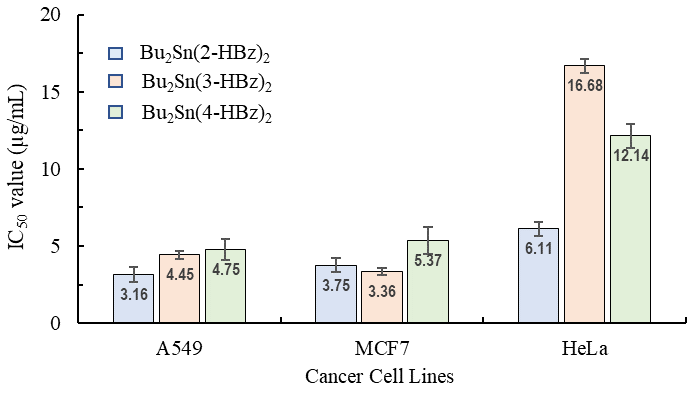
The adverse effects associated with conventional cancer therapies have intensified the search for anticancer agents with fewer side effects. One approach involves the synthesis of organotin(IV) …
-
 417 126 Cited —
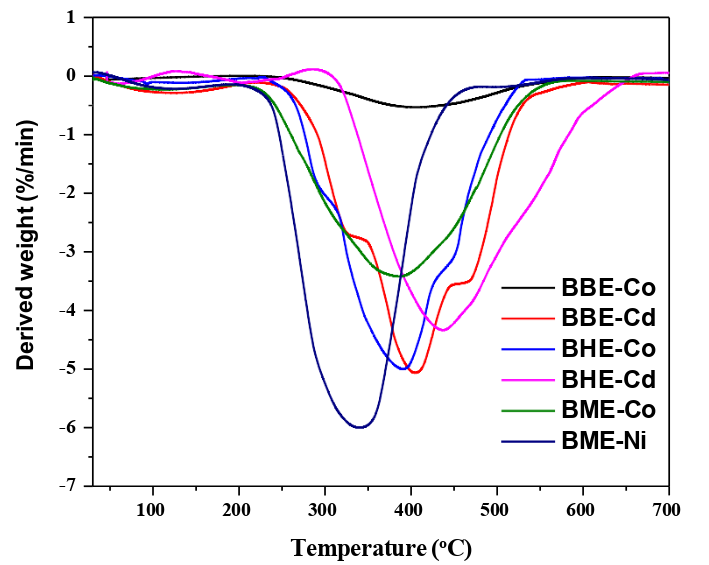
Three Schiff base ligands derived from condensation of ethylenediamine with benzaldehyde, salicylaldehyde, and vanillin, namely (1E,1'E)-N,N'-(ethane-1,2-diyl)bis(1-phenylmethanimine) (BBE), …
-
 419 199 Cited —
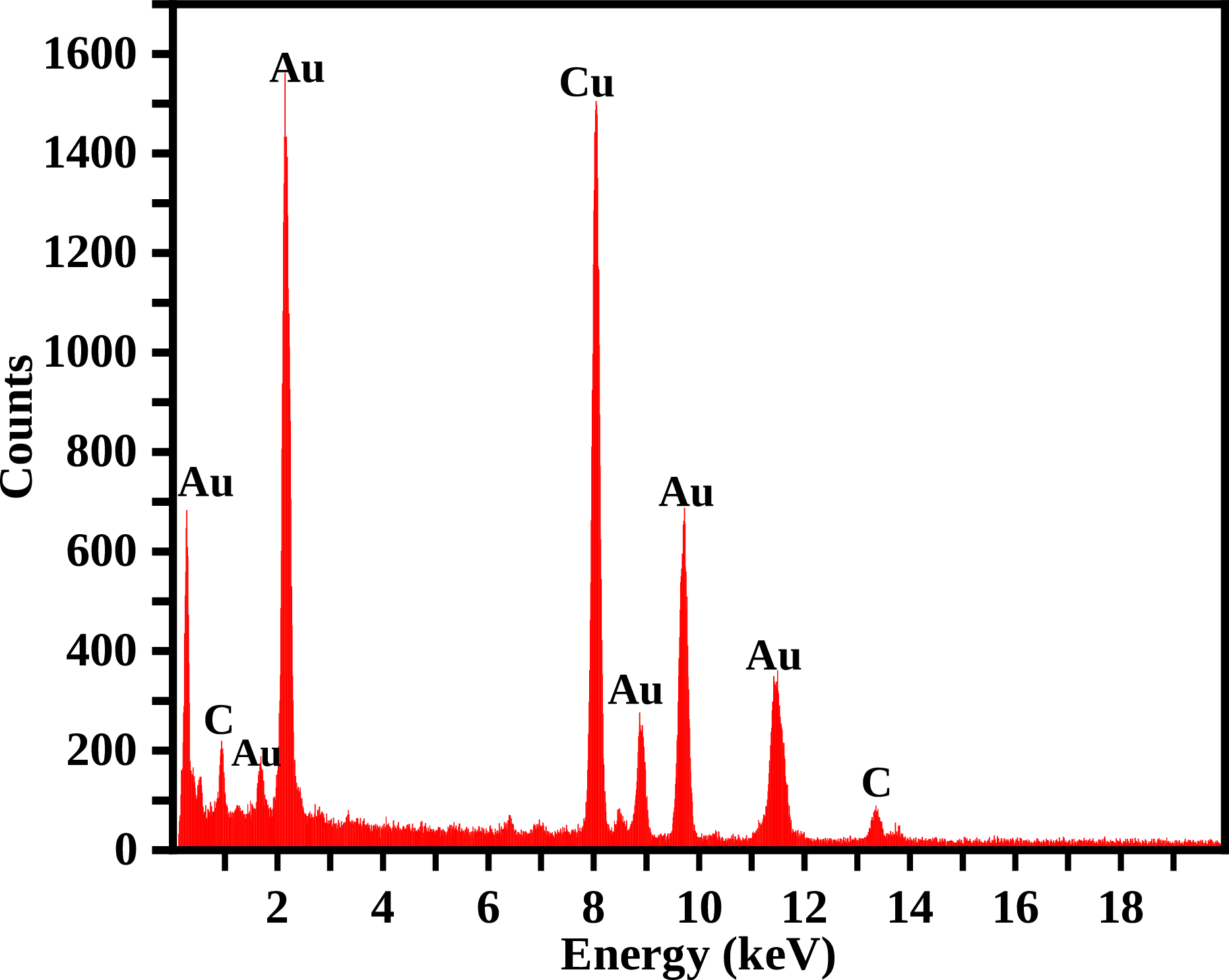
An investigation was conducted on the green synthesis of gold nanoparticles (AuNPs) using aqueous Telfairia occidentalis leaf extract as both the reducing and stabilizing agent. Following preliminary …
-
 574 174 Cited —
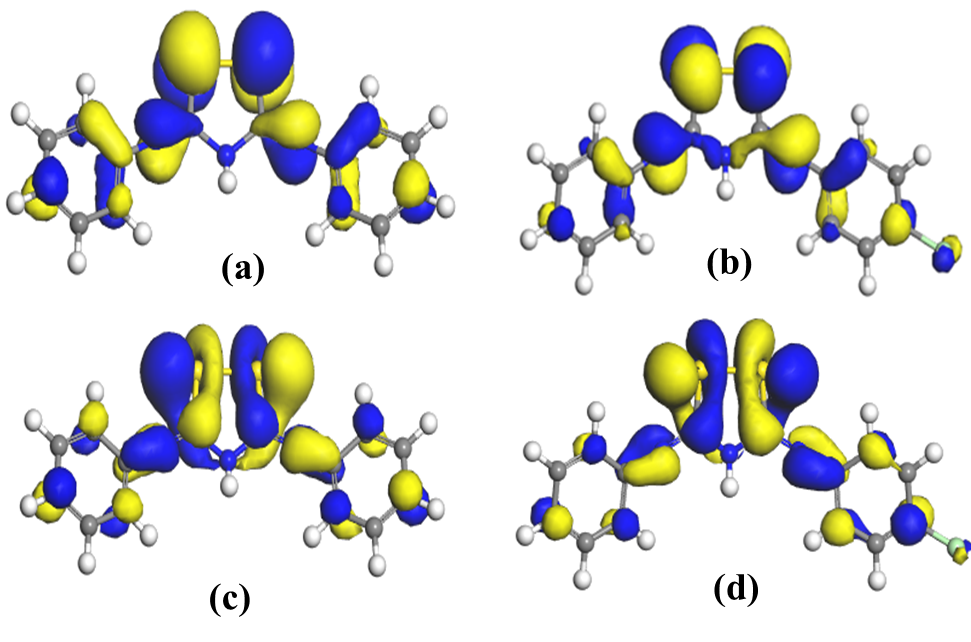
Many corrosion inhibitors act through an adsorption mechanism by forming a stable film that protects the surface from an aggressive environment. The adsorption behaviour of two dithiazolidine derivatives, …
-
 524 134 Cited —
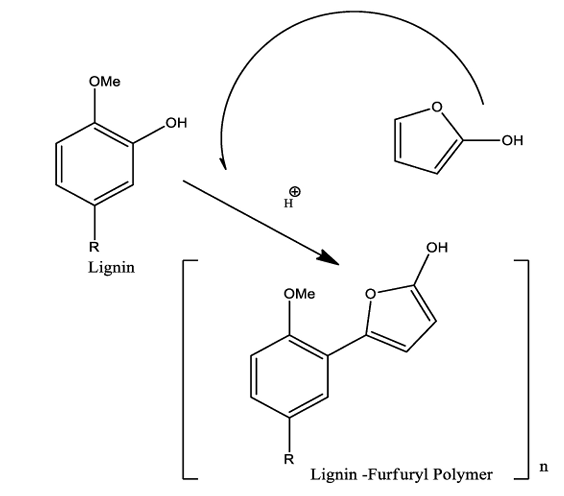
Plant-based furan--lignin foams (FLFs) offer several advantages over petroleum-based foams, including abundant and affordable feedstocks, fire resistance, thermal performance, environmental compatibility, …
-
 967 315 Cited —
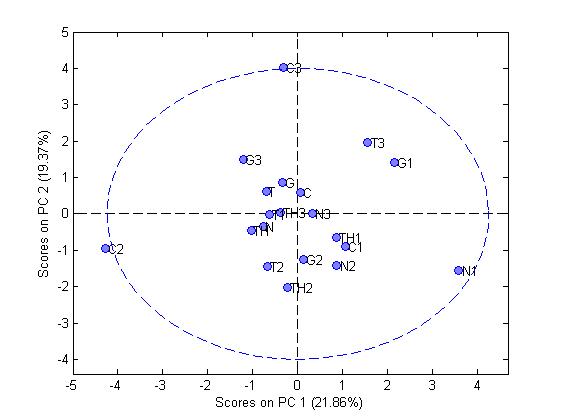
Counterfeit and substandard spice products present significant risks to food safety, nutritional quality, and consumer confidence. This study applied an integrated chemometric approach, GC--MS chemical …
-
 552 342 Cited —
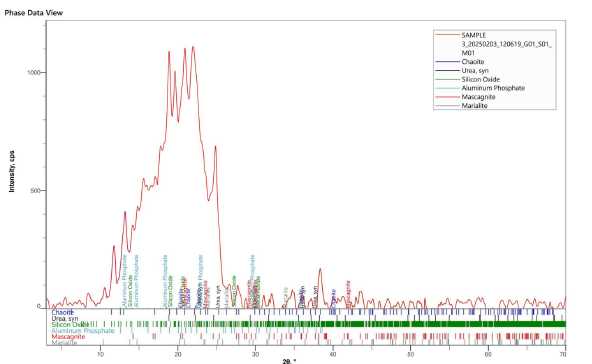
Petroleum hydrocarbon contamination of soil is a major environmental challenge in crude-oil-producing areas. Agricultural and abattoir wastes are promising low-cost soil amendments but remain greatly …
-
 594 341 Cited —
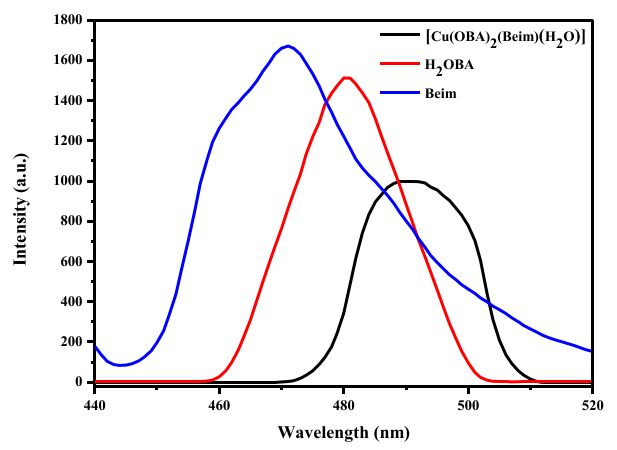
Nitroaromatic compounds (NACs) are electron-deficient aromatic molecules extensively used in explosives, dyes, and pesticides, and their high toxicity and environmental persistence pose serious risks to …
-
 727 305 Cited —
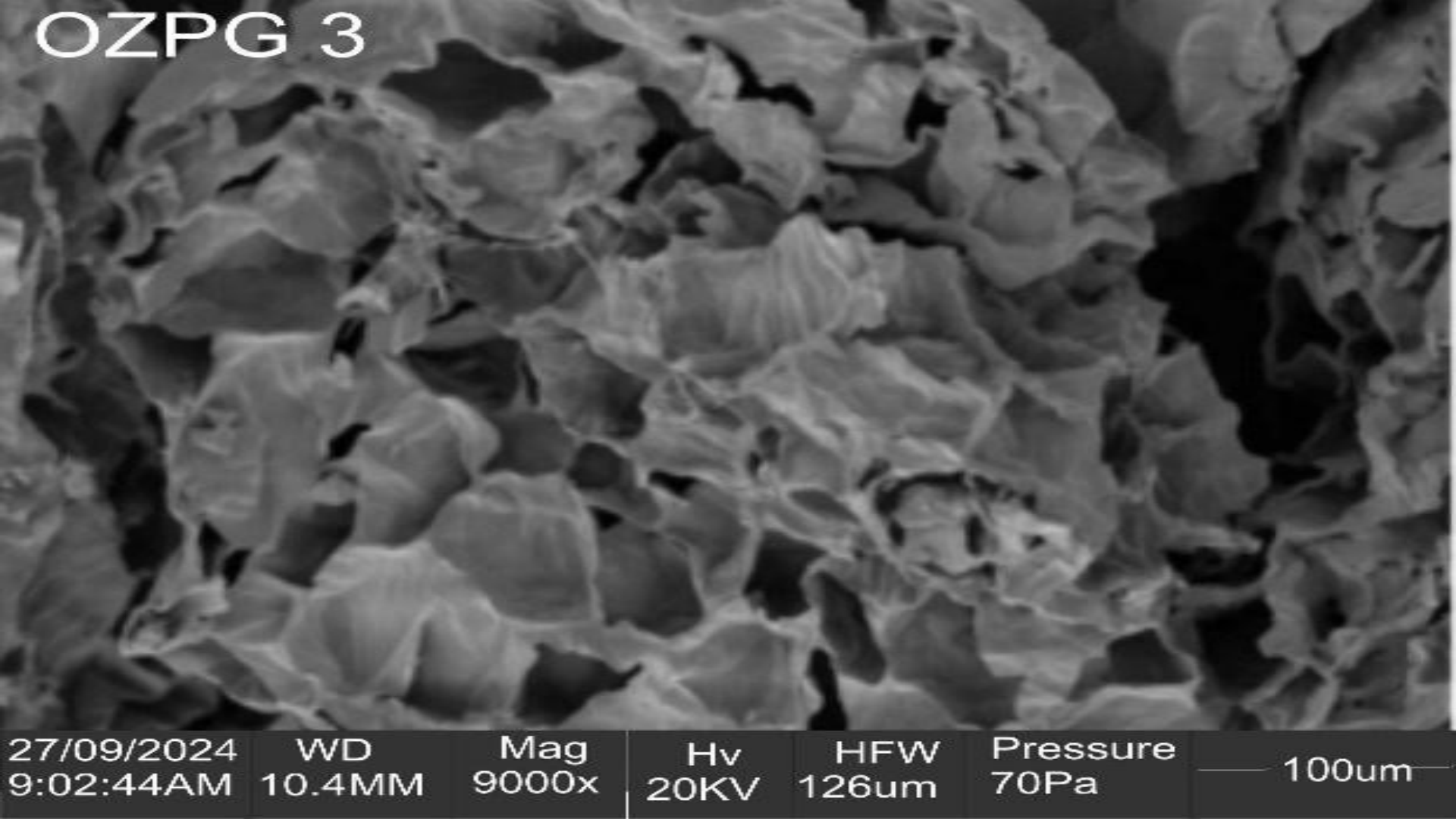
Synthetic azo dyes, widely used in various industries, pose serious environmental and health risks due to their toxic, non-biodegradable, and carcinogenic nature when released into aquatic ecosystems. This …
-
 716 333 Cited —
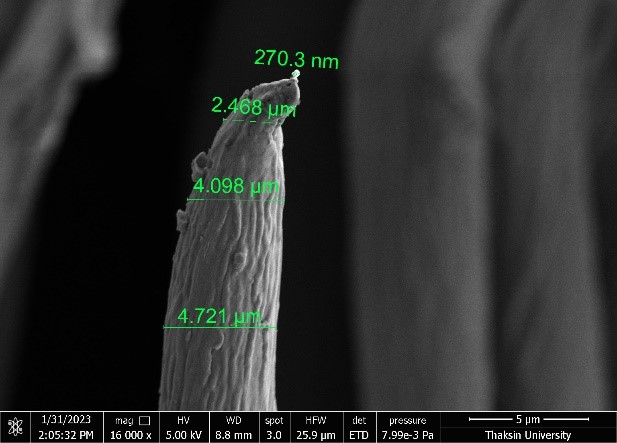
Golden-phase leaves are widely used in decorative crafts and heritage products, yet their susceptibility to moisture limits long-term durability, especially in humid environments. This study investigates …
-
 926 349 Cited —
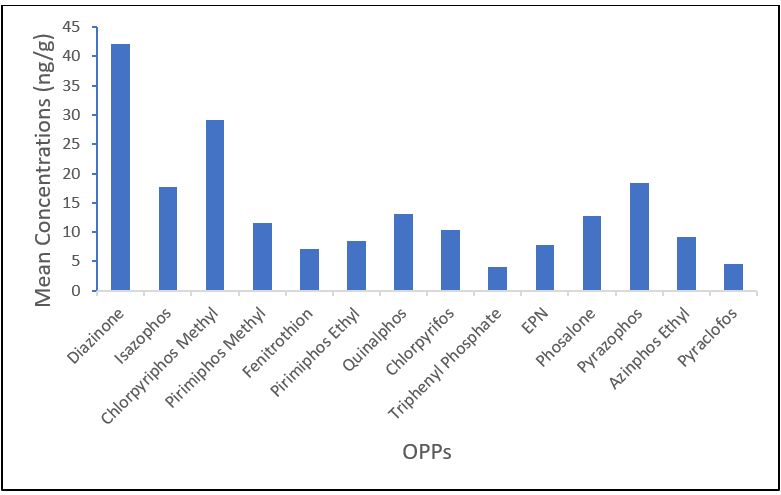
This study investigated the contamination levels, occurrence pattern and associated health risks of organophosphate pesticide residues in spices and herbs sold in southern Nigeria. Fifty-two samples of …
-
 1326 670 Cited —
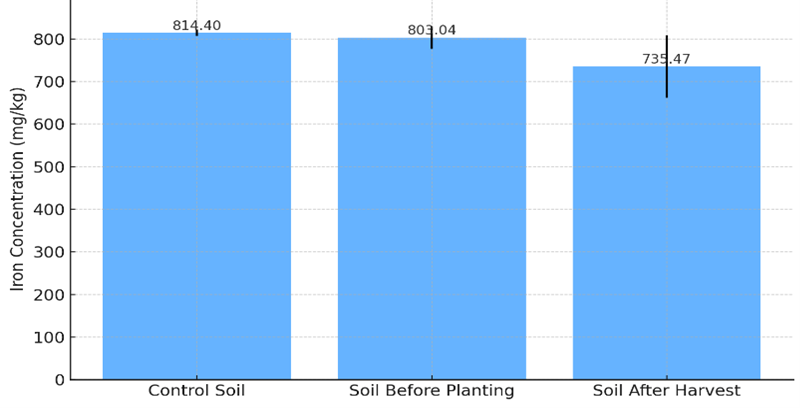
Contamination of soils and food crops around the Ugwuaji dumpsite in Enugu State, Nigeria was evaluated. Zinc (Zn), copper (Cu), iron (Fe), and cadmium (Cd) were determined in seventy-three (73) samples, …
-
 619 892 Cited —
The corrosion inhibition effect of Balanites aegyptiaca leaves extracts on carbon steel XC70 in 1 M hydrochloric acid solution has been studied using gravimetric study and Potentiodynamic polarization …
-
 1266 621 Cited —
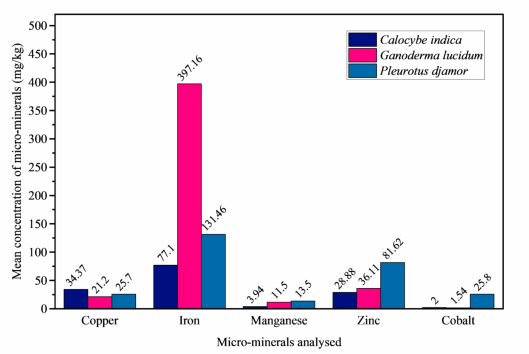
Mushrooms are increasingly gaining attention for their nutritional and therapeutic benefits due to their rich composition of essential nutrients and bioactive compounds. However, all-encompassing …
-
 600 688 Cited —
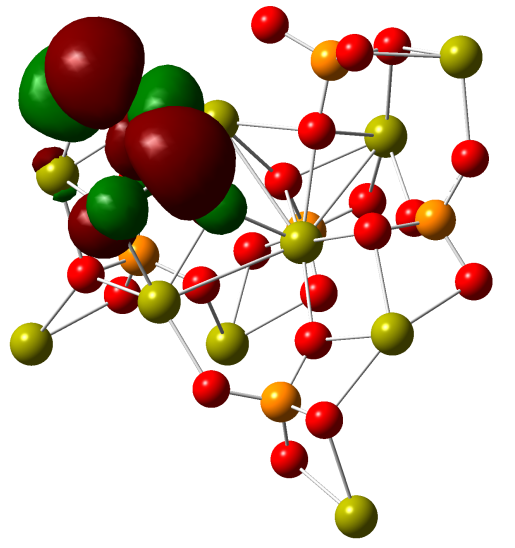
Motivated by the potential use of hydroxyapatite and chitosan as drug delivery systems for the antibiotic gentamicin in the coating of metal implants, a theoretical study was conducted to investigate the …
-
 984 406 Cited —
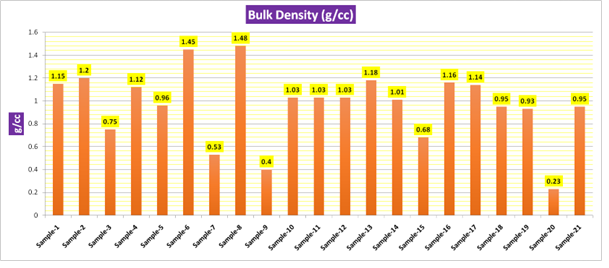
Solid waste management poses significant environmental challenges worldwide, particularly in developing nations like India, where unscientific disposal of industrial solid waste (ISW) leads to severe …
-
 1074 713 Cited —
Pharmaceutical effluents, especially antibiotics, have significantly contributed to aquatic pollution in recent times, which has called for a sustainable approach to their removal. Adsorption is an …
-
 1170 550 Cited —
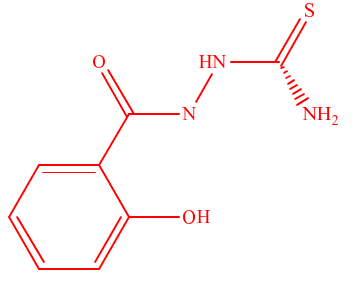
New tetradentate ligands, 2-(2-hydroxybenzoyl)hydrazinecarbothioamide, HL1, and 2-(2-mercaptobenzoyl)hydrazinecarbothioamide, HL2, were designed and synthesized from the condensation reactions of salicylic …
-
 865 642 Cited —
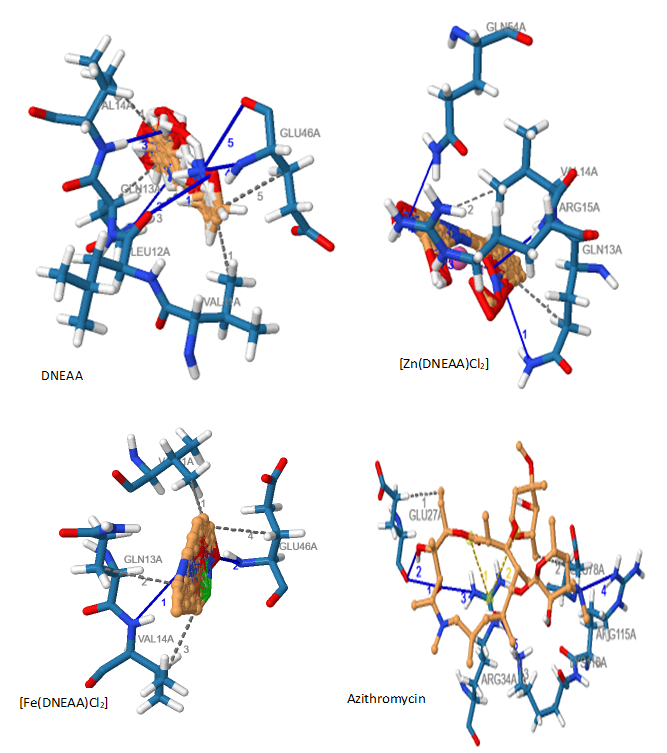
The hydrazones and their metal complexes find application as anticancer, antibacterial, chemotherapeutic, antioxidants, and antiproliferative agents, among several other uses. In our quest for possible …
-
 1182 653 Cited —
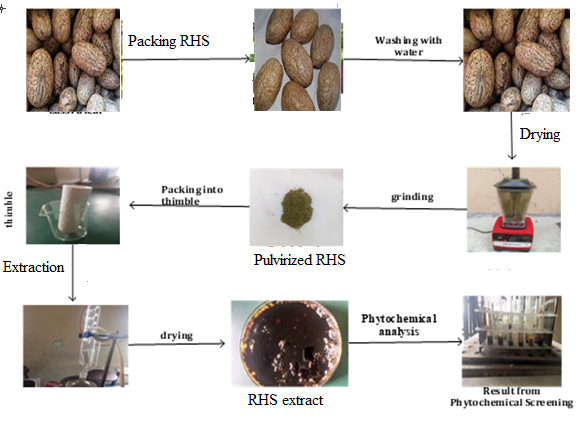
In this study, managanese dioxide nanoparticles (MnO2-NP) was synthesized. Raphia hookeri seed was used as a bioreductant for the synthesis of MnO2-NPs. The biosynthesized …
-
 706 617 Cited —Prediction of the acentric factor of some halogenated hydrocarbons via group contribution techniques
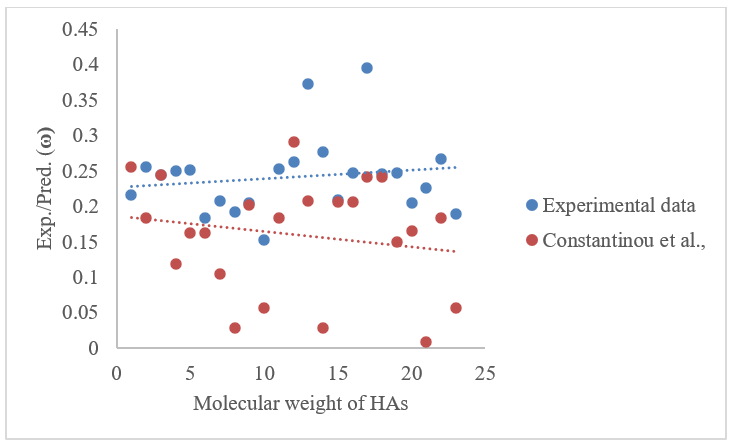
In this study, trends in the prediction of acentric factors of halogenated alkanes (HAs) were investigated using two group contribution techniques. The examination of discrepancies between predicted and …
-
 799 626 Cited —
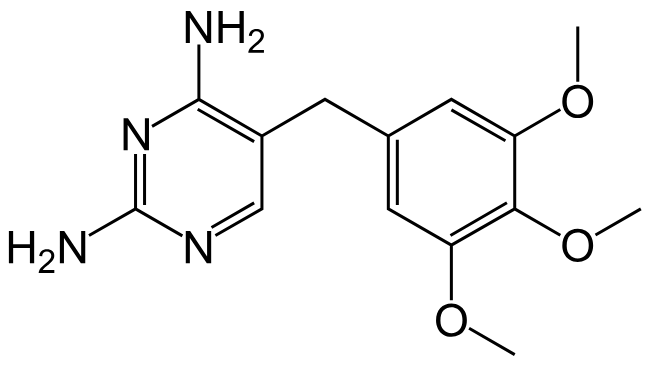
Nanoparticles exhibit distinct physical and chemical characteristics and are becoming increasingly significant in the production of innovative nanodevices for many applications in physics, biology, …
-
 1161 779 Cited —
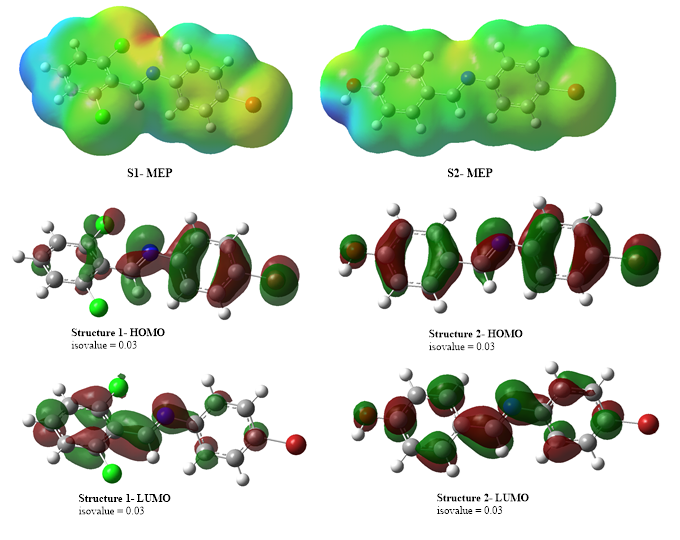
Two Schiff bases, (E)-N-(4-bromophenyl)-1-(2,6-dichlorophenyl)methanimine (S1) and (E)-4-(((4-bromophenyl)imino)methyl)phenol (S2) were synthesized and elucidated using basic spectroscopic methods such as …
-
 859 570 Cited —Synthesis and in vitro bioactivity of sodium metasilicate-derived silicon-substituted hydroxyapatite
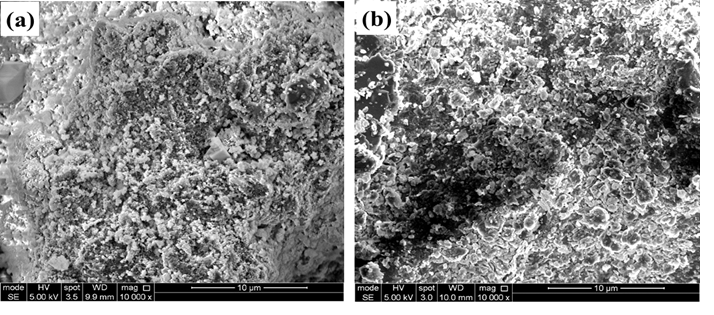
Structural alteration of synthetic implants aims to achieve better bioactivity, higher cellular response, and regulated degradability, all of which are critical criteria for a biomaterial to serve as a …
-
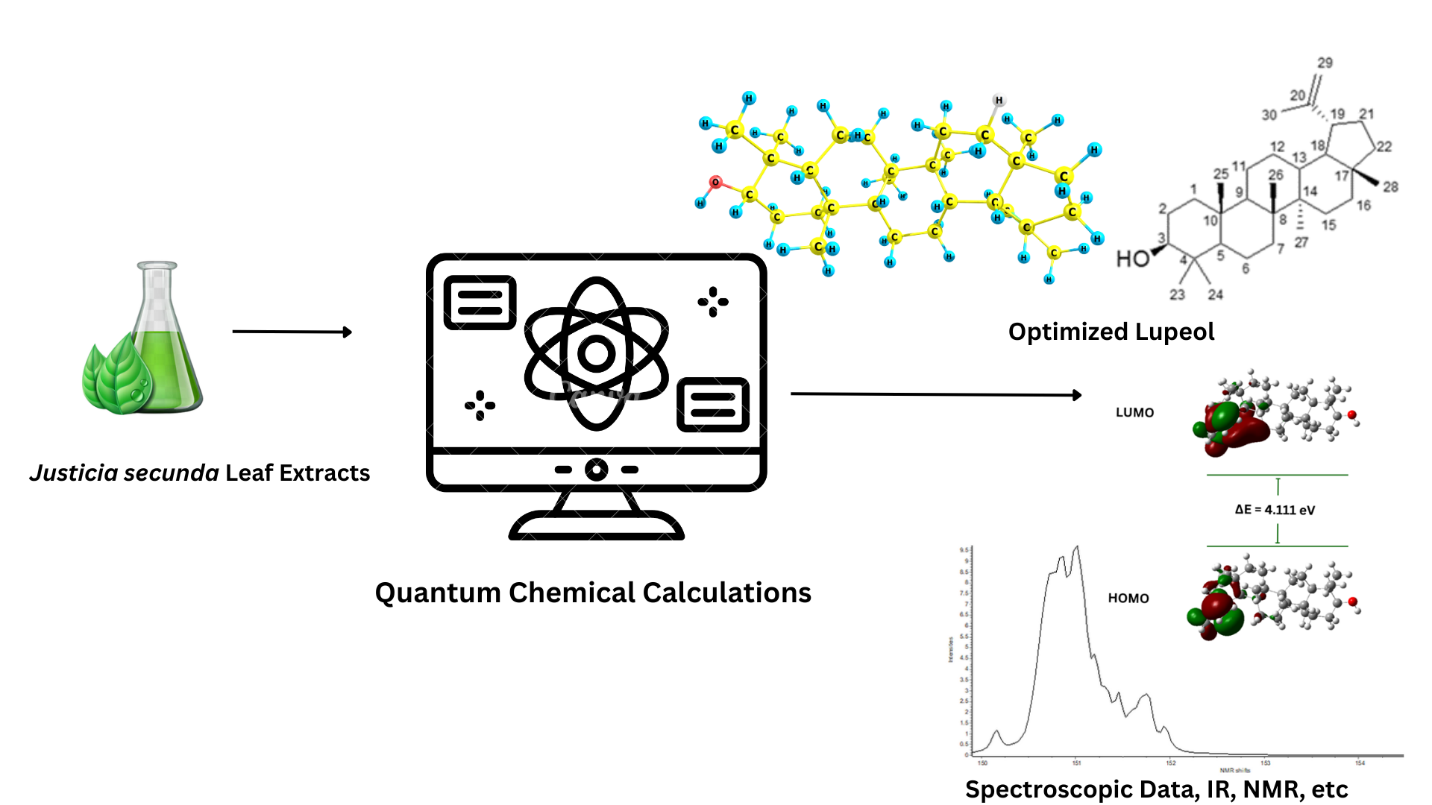 1226 660 Cited —
The discovery of lupeol, a triterpenoid compound (C30H50O), in the ethyl acetate leaf extract of Justicia secunda (Blood root), has opened doors to extensive research and development opportunities in …